

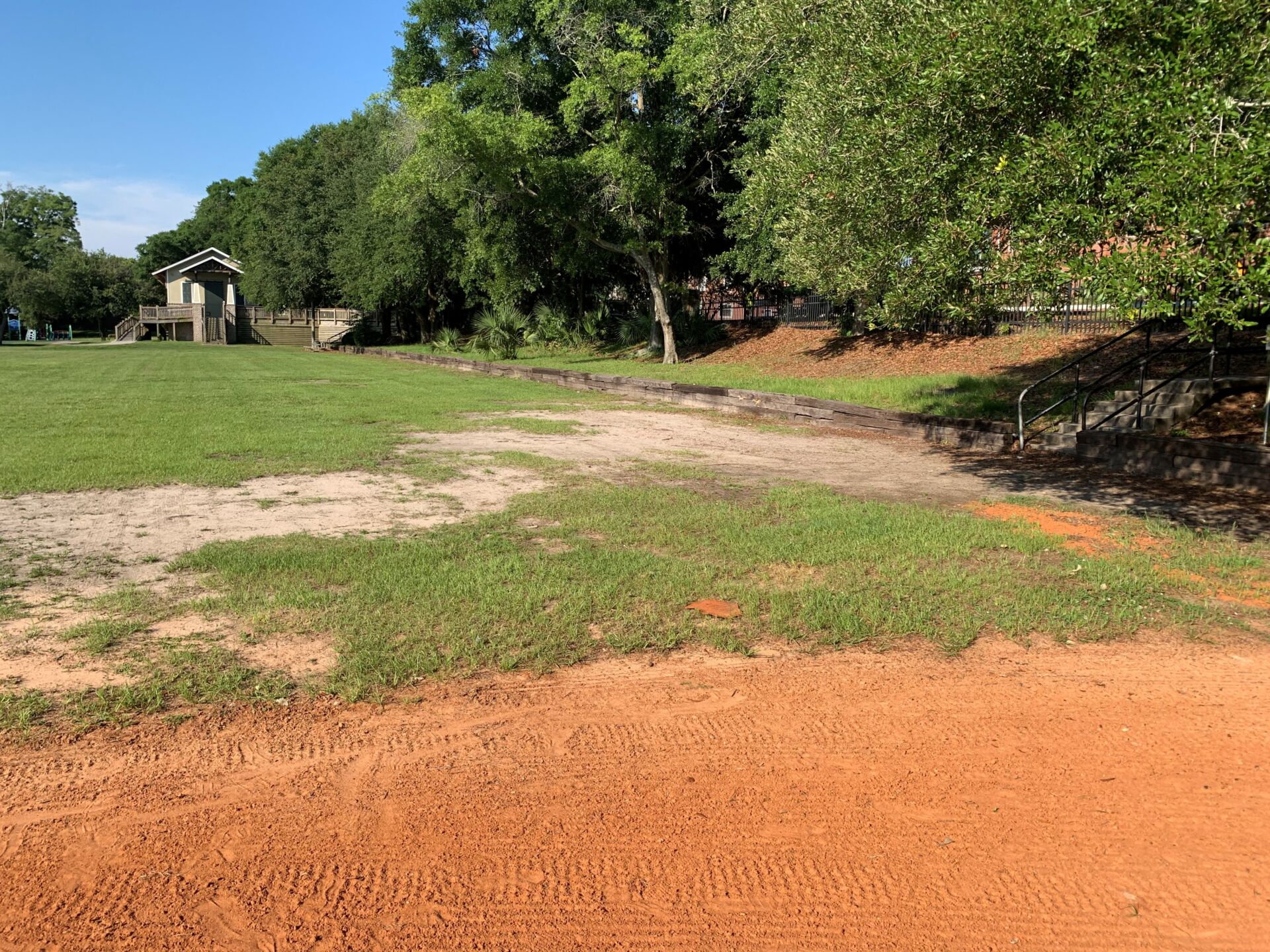
How to Fix a Severely Neglected Patchy Lawn or Athletic Field
How to fix a patchy, thinning lawn or athletic field starts with understanding that the problem is often more than cosmetic. In many cases, thinning turf is a sign of underlying stress in the soil, turf health, or maintenance routine. For homeowners, as well as park and municipal maintenance crews, restoring neglected turf requires a thoughtful, step-by-step approach grounded in sound agronomic practices.
At Project EverGreen, we’ve seen firsthand through our GreenCare for Troops initiative and GreenCare for Communities projects how even the most worn, compacted, and underperforming lawns and turf areas can be revitalized into healthy, functional green spaces that serve military families and their communities.
Start with the Root Cause
Before applying quick fixes, it’s critical to understand why a lawn or turf area has become patchy. Common causes include:
- Soil compaction from foot traffic or equipment
- Poor soil quality or nutrient deficiencies
- Inadequate irrigation or inconsistent watering
- Pest or disease pressure
- Improper mowing practices
In parks and athletic fields, these issues are often intensified by heavy use and limited recovery time.
Improve Soil Health First
Healthy turf starts below the surface. One of the most effective first steps is core aeration to relieve compaction and improve oxygen flow, water infiltration, and nutrient uptake.
In many GreenCare for Communities revitalization projects, aeration is a foundational step. Loosening compacted soil allows grassroots to expand and creates the conditions needed for recovery across lawns, parks, and sports fields.
Following aeration, conduct a soil test to determine pH and nutrient levels. Based on the results, apply the appropriate fertilizers or soil amendments to correct imbalances.
Overseed to Rebuild Turf Density
Once the soil is prepared, overseeding helps fill in bare or thin areas with new, vigorous grass. Select seed varieties suited to your region, sun exposure, and expected use levels.
For parks and athletic fields, durability is critical. Grass blends designed for high-traffic tolerance can significantly improve long-term performance. In Project EverGreen revitalization efforts, overseeding has helped transform worn-out turf into dense, resilient surfaces that hold up under daily use.
Establish a Consistent Watering Plan
Watering practices can make or break a turf recovery effort. Deep, infrequent watering encourages deeper root growth, while shallow watering can weaken turf.
For homeowners and maintenance crews alike, consistency is key. Early morning irrigation helps reduce evaporation and disease risk. In larger public spaces, optimizing irrigation systems or schedules can quickly improve turf health.
Adjust Mowing Practices
Mowing plays a major role in maintaining healthy grass across lawns, parks, and athletic fields. Cutting too short stresses the plant and leaves soil exposed to weeds and heat.
Maintain proper mowing height based on grass type and avoid removing more than one-third of the blade at a time. Sharp mower blades are essential to prevent tearing, which can invite disease.
Address Traffic and Use Patterns
In parks and athletic fields, repeated foot traffic is often the primary cause of thinning or bare spots. Where possible, redirect traffic, install designated walkways, or rotate field use to give turf time to recover.
Project EverGreen has partnered with municipalities to restore high-use areas, demonstrating that combining turf renovation with smart space planning leads to longer-lasting results.
Stay Consistent for Long-Term Results
Reviving a neglected lawn or turf area doesn’t happen overnight. It requires consistent care, seasonal adjustments, and ongoing monitoring. The payoff, however, is significant – healthier grass improves appearance, usability, and environmental benefits such as cooling, air quality, and stormwater management.
Through GreenCare for Troops and GreenCare for Communities, Project EverGreen continues to transform underperforming lawns for military families, parks, and athletic fields into vibrant community assets. Whether you’re managing your own yard or maintaining public green space, the same principles apply start with the soil, follow a proven process, and stay committed to long-term turf health.
Get Involved
Ready to make a lasting impact beyond your own lawn? Join Project EverGreen in restoring and sustaining healthy green spaces for military families and communities in need. Whether you volunteer your time, become a program sponsor, or make a donation, your support helps transform underperforming turf into vibrant, functional spaces that improve quality of life.
Get involved with a community park renovation project or the GreenCare for Troops initiative, and be part of creating greener, healthier, cooler communities.





Leave a Reply
Want to join the discussion?Feel free to contribute!