
• Facebook
  • Twitter
  • Instagram
  • Youtube
  • LinkedIn
Project EverGreen
  • GreenCare
    for Communities
  • GreenCare
    for Troops
    • About Our Program
    • Become a Volunteer
    • Military Family Programs
  • Clean Air
    Calculator
  • About
    • Board of Directors
    • Donor Partners
    • Volunteer Partners
    • Resources
    • GCFT Marketing Guide
    • SCFT Marketing Guide
    • History
    • Press
    • Video Library
    • Environmental Communicator of the Year Award
    • Joining Forces
  • Events
    • Bourbon Raffle
    • You Move, We Mow Challenge
    • Golf Classic
    • Band Blitz for GreenCare for Troops
  • News
  • Contact Us
  • Menu Menu

How to Fix a Severely Neglected Patchy Lawn or Athletic Field

How to fix a patchy, thinning lawn or athletic field starts with understanding that the problem is often more than cosmetic. In many cases, thinning turf is a sign of underlying stress in the soil, turf health, or maintenance routine. For homeowners, as well as park and municipal maintenance crews, restoring neglected turf requires a thoughtful, step-by-step approach grounded in sound agronomic practices.

At Project EverGreen, we’ve seen firsthand through our GreenCare for Troops initiative and GreenCare for Communities projects how even the most worn, compacted, and underperforming lawns and turf areas can be revitalized into healthy, functional green spaces that serve military families and their communities.

Start with the Root Cause

Before applying quick fixes, it’s critical to understand why a lawn or turf area has become patchy. Common causes include:

  • Soil compaction from foot traffic or equipment
  • Poor soil quality or nutrient deficiencies
  • Inadequate irrigation or inconsistent watering
  • Pest or disease pressure
  • Improper mowing practices

In parks and athletic fields, these issues are often intensified by heavy use and limited recovery time.

Improve Soil Health First

Healthy turf starts below the surface. One of the most effective first steps is core aeration to relieve compaction and improve oxygen flow, water infiltration, and nutrient uptake.

In many GreenCare for Communities revitalization projects, aeration is a foundational step. Loosening compacted soil allows grassroots to expand and creates the conditions needed for recovery across lawns, parks, and sports fields.

Following aeration, conduct a soil test to determine pH and nutrient levels. Based on the results, apply the appropriate fertilizers or soil amendments to correct imbalances.

Overseed to Rebuild Turf Density

Once the soil is prepared, overseeding helps fill in bare or thin areas with new, vigorous grass. Select seed varieties suited to your region, sun exposure, and expected use levels.

For parks and athletic fields, durability is critical. Grass blends designed for high-traffic tolerance can significantly improve long-term performance. In Project EverGreen revitalization efforts, overseeding has helped transform worn-out turf into dense, resilient surfaces that hold up under daily use.

Establish a Consistent Watering Plan

Watering practices can make or break a turf recovery effort. Deep, infrequent watering encourages deeper root growth, while shallow watering can weaken turf.

For homeowners and maintenance crews alike, consistency is key. Early morning irrigation helps reduce evaporation and disease risk. In larger public spaces, optimizing irrigation systems or schedules can quickly improve turf health.

Adjust Mowing Practices

Mowing plays a major role in maintaining healthy grass across lawns, parks, and athletic fields. Cutting too short stresses the plant and leaves soil exposed to weeds and heat.

Maintain proper mowing height based on grass type and avoid removing more than one-third of the blade at a time. Sharp mower blades are essential to prevent tearing, which can invite disease.

Address Traffic and Use Patterns

In parks and athletic fields, repeated foot traffic is often the primary cause of thinning or bare spots. Where possible, redirect traffic, install designated walkways, or rotate field use to give turf time to recover.

Project EverGreen has partnered with municipalities to restore high-use areas, demonstrating that combining turf renovation with smart space planning leads to longer-lasting results.

Stay Consistent for Long-Term Results

Reviving a neglected lawn or turf area doesn’t happen overnight. It requires consistent care, seasonal adjustments, and ongoing monitoring. The payoff, however, is significant – healthier grass improves appearance, usability, and environmental benefits such as cooling, air quality, and stormwater management.

Through GreenCare for Troops and GreenCare for Communities, Project EverGreen continues to transform underperforming lawns for military families, parks, and athletic fields into vibrant community assets. Whether you’re managing your own yard or maintaining public green space, the same principles apply start with the soil, follow a proven process, and stay committed to long-term turf health.

Get Involved

Ready to make a lasting impact beyond your own lawn? Join Project EverGreen in restoring and sustaining healthy green spaces for military families and communities in need. Whether you volunteer your time, become a program sponsor, or make a donation, your support helps transform underperforming turf into vibrant, functional spaces that improve quality of life.

Get involved with a community park renovation project or the GreenCare for Troops initiative, and be part of creating greener, healthier, cooler communities.


Shared Values and Measurable Impact: How Hunter Industries and Project EverGreen Are Advancing Healthier Communities

Shared values and measurable impact are at the heart of the long-standing partnership between Hunter Industries and Project EverGreen. Together, both organizations recognize that healthy, well-managed landscapes do more than enhance curb appeal, they strengthen communities, support environmental resilience, and improve quality of life.

In this Project EverGreen Partner Q&A, Warren Gorowitz, Director of Sustainability and Social Impact at Hunter Industries, shares how a commitment to responsible water management and community investment continues to drive meaningful progress for green spaces across the country.

What inspired Hunter to get involved, and why has that commitment remained strong over the years?

Hunter Industries has always believed that healthy landscapes are essential to thriving communities. Our involvement with Project EverGreen was a natural extension of that belief, supporting an organization that champions the environmental and social value of green spaces aligns closely with our purpose. What has kept that commitment strong is the tangible impact Project EverGreen delivers. Whether it is revitalizing community parks or supporting military families through GreenCare for Troops, their work consistently demonstrates how landscapes improve quality of life. That combination of shared values and measurable outcomes continues to reinforce our long-term partnership

Shared Values and Measurable Impact - Project EverGreen

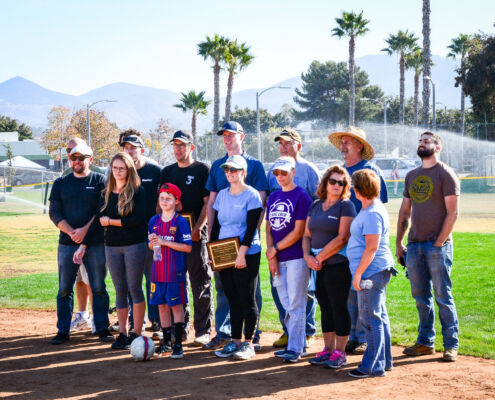
Healthy, well-managed landscapes do more than enhance curb appeal – they strengthen communities, support environmental resilience, and improve quality of life. That shared commitment is what brings Hunter Industries and Project EverGreen together, including Hunter’s support of the 2017 ballfield renovation in San Marcos, California – home to the company’s headquarters.

How does Project EverGreen’s mission align with Hunter Industries’ approach to sustainability and responsible water management?

Project EverGreen’s focus on the environmental, social, and economic benefits of green spaces closely mirrors Hunter’s holistic approach to sustainability. At Hunter, we think about sustainability not just in terms of resource efficiency, but in how landscapes contribute to climate resilience, human well-being, and community vitality. Responsible water management is central to that, ensuring landscapes are both beautiful and efficient. Project EverGreen helps elevate that conversation by highlighting the broader value of managed green spaces and reinforcing that well-designed and properly maintained landscapes are part of the solution, not the problem.

Why is it important for companies like Hunter to support initiatives that demonstrate the real-world value of managed landscapes?

There is often a disconnect between perception and reality when it comes to landscapes. Initiatives like the Clean Air Calculator and community revitalization projects help quantify and visualize the real benefits, including carbon sequestration, temperature reduction, and improved mental health. For companies like Hunter, supporting this work is critical because it brings credibility and clarity to the role our industry plays. It helps shift the narrative from landscapes as purely aesthetic to landscapes as essential infrastructure. That understanding is key to driving better policy, smarter water use, and more sustainable practices overall

Why is it important for industry leaders to give back and invest in the communities they serve?

The green industry is uniquely positioned at the intersection of environment and community. The work we do shapes the spaces where people live, gather, and connect. With that influence comes a responsibility to give back. When industry leaders invest in communities, whether through volunteerism, funding, or partnerships, they help ensure that the benefits of green spaces are accessible to everyone. It also strengthens the industry itself by building trust, demonstrating value, and inspiring the next generation of professionals. Giving back is not just the right thing to do, it is essential for long-term impact and relevance

What opportunities do you see for continued collaboration between Hunter Industries and Project EverGreen?

Looking ahead, there is a strong opportunity to deepen our collaboration around education, advocacy, and measurable impact. As water scarcity and climate pressures continue to evolve, we can work together to promote best practices in sustainable landscape design and irrigation. Expanding tools that quantify environmental benefits, supporting more community-based projects, and elevating the role of efficient water use in healthy landscapes are all areas where we can make a meaningful difference together. Ultimately, our shared goal is to ensure that green spaces remain a vital, sustainable part of communities across the country, and that is a mission we are excited to continue advancing with Project EverGreen.

Warren Gorowitz, CLIA, EMSL is Director, Sustainability and Social Impact for Hunter Industries – a GreenCare for Communities donor partner. He is member of Project EverGreen’s Advisory Council.

Join the Mission – Learn More About Project EverGreen

Whether you volunteer, partner, or advocate, you play a role. Explore how you can get involved and discover the impact of green spaces in your own community. Because when we can measure the difference, we can multiply it.

Learn more about our initiatives and programs, and see where you can lend your time and talents.


Every Day Is Earth Day: How Project EverGreen Turns Purpose into Action

Every day is Earth Day for Project EverGreen. Earth Day is a powerful reminder of our shared responsibility to care for the planet. At Project EverGreen, that responsibility isn’t limited to a single day – it drives our work every day. Our focus is simple: create and sustain healthy green spaces that benefit people, communities, and the environment.

From Awareness to Action and Now, Measurement

Lawns, landscapes, parks, and managed green spaces are more than aesthetic. They actively:

  • Sequester carbon
  • Improve air quality
  • Reduce urban heat
  • Manage stormwater
  • Support healthier communities

What’s new and critical is the ability to measure that impact in real terms. That’s why Project EverGreen developed the Clean Air Calculator.

The Clean Air Calculator translates green space into tangible environmental benefits: quantifying carbon sequestration, clean air production, and the number of people positively impacted. It turns something people value into something they can see, understand, and advocate for.

Because protecting green space is no longer just about belief, it’s about proof.

Supporting Military Families Through GreenCare for Troops

Environmental stewardship and community support go hand in hand. Through GreenCare for Troops, lawn and landscape professionals volunteer their services to maintain outdoor spaces for military families with a deployed service member. The impact is immediate and meaningful:

  • Reduces stress for families
  • Maintains safe, usable outdoor spaces
  • Ensures landscapes continue delivering environmental benefits

Healthy, maintained lawns don’t just look better, they function better for families and the environment alike.

Revitalizing Public Spaces Through GreenCare for Communities

Across the country, Project EverGreen transforms underperforming parks, athletic fields, and shared green spaces into thriving community assets. These projects go beyond visual improvement and deliver the following:

  • Restore soil and turf health
  • Introduce sustainable landscaping practices
  • Create cooler, safer, more functional environments

And increasingly, tools like the Clean Air Calculator help demonstrate the long-term environmental return of these investments.

A Collective Effort with Real Results

This work is powered by a network of partners, volunteers, and industry professionals committed to a common goal: advancing environmental stewardship through action. Together, we’re not just improving spaces. We’re elevating the conversation around the value of green spaces by pairing on-the-ground impact with measurable outcomes.

Beyond Earth Day

Earth Day sparks awareness. But lasting change requires consistency and accountability. At Project EverGreen, every day is Earth Day. And today, we’re doing more than acting – we’re quantifying the difference healthy green spaces make.

Join the Mission – Learn More About Project EverGreen

Whether you volunteer, partner, or advocate, you play a role. Explore how you can get involved – and discover the impact of green spaces in your own community. Because when we can measure the difference, we can multiply it.

Learn more about our initiatives and programs, and see where you can lend your time and talents.

More About the Clean Air Calculator

What is the Clean Air Calculator?

The Clean Air Calculator is a tool that measures the environmental benefits of green spaces including lawns, landscapes, parks, sports fields, golf courses and more.

How does the Clean Air Calculator work?

The Clean Air Calculator is a web-based mapping tool that measures the positive environmental impact of plants – specifically lawns, trees and shrubs – on a property. The Clean Air Calculator combines geographic information system (GIS)-based interactive maps with a scientific data model to identify the value of actual green space in cities, neighborhoods, communities and individual properties. After the mapping is completed, the tool tallies the measurements and estimates the environmental benefits of that property.

Who can use the Clean Air Calculator?

Anyone! Homeowners, service professionals, schools, municipalities, parks can all benefit from using the Clean Air Calculator, to name a few.


Clean Air, Healthy Fields: How the Clean Air Calculator Empowers Sports Field Managers

Clean air, healthy fields was the clear message delivered at the 2026 Sports Field Management Association’s Annual Conference in Fort Worth, Texas, where Project EverGreen Executive Director Cindy Code and immediate past president Scott Bills of Sports Field Solutions reminded sports field managers that natural grass fields are living systems that deliver measurable environmental value – value that can now be clearly quantified.

Clean Air, Healthy Fields - Project EverGreen

Project EverGreen Executive Director Cindy Code (right) and immediate past president Scott Bills of Sports Field Solutions remind sports field managers that natural grass fields are living systems delivering measurable environmental value – value that can now be clearly quantified.

That’s where Project EverGreen’s Clean Air Calculator (CAC) comes in.

Developed as a science-based tool, the Clean Air Calculator translates the environmental benefits of professionally managed natural turf into data that administrators, school boards, municipalities, and community stakeholders can understand and trust. In an era where sustainability expectations are rising and budgets require justification; the CAC gives sports field managers the numbers they need to advocate for natural grass and proper maintenance.

Turning Turf Management into Environmental Data

Sports field managers already know the benefits of healthy turf. Grass sequesters carbon, produces oxygen, cools surrounding areas, and contributes to safer, more playable fields. What the Clean Air Calculator does is make those benefits visible.

Using peer-reviewed research from institutions including The Ohio State University, Texas A&M, and the Soil Health Institute, the CAC measures:

  • Carbon sequestered annually
  • Clean air produced each year
  • Equivalent miles of vehicle emissions offset
  • The number of people benefiting from oxygen production

For example, just 5,000 square feet of healthy grass can produce enough oxygen to support more than a dozen people per day, depending on location. When applied across athletic fields, campuses, or park systems, the environmental impact quickly becomes significant

A Stronger Case for Natural Grass Fields

Sports field managers are often asked to defend natural turf against synthetic alternatives, especially when decision-makers focus on usage hours or short-term convenience. The Clean Air Calculator helps shift that conversation.

Rather than framing grass as a “green space,” the CAC positions it as environmental infrastructure. The healthier the turf, the greater the environmental return. Properly managed fields don’t just perform better – they actively contribute to sustainability goals, including Environmental, Social, and Governance (ESG) initiatives now required by many schools, municipalities, and institutions.

With CAC data in hand, field managers can demonstrate how investment in aeration, irrigation, fertility, and professional oversight supports both field safety and environmental outcomes.

“Sports field managers have always known that natural grass fields do more than host games – they improve communities,” Bills told attendees. “What the Clean Air Calculator does is turn that belief into credible, science-backed data. It gives managers the confidence to walk into any budget meeting and clearly show that healthy turf is not an expense – it’s environmental infrastructure.”

A Tool for Communication and Advocacy

One of the CAC’s most powerful benefits is its role as a storytelling tool. It converts technical data into public-facing language that resonates beyond the industry.

Statements like “This field cleans the air for 178 people annually” or “Offsets the equivalent of 250,000 miles driven each year” help non-experts understand the value of natural grass quickly and clearly. That clarity improves credibility, strengthens budget discussions, and supports long-term turf preservation.

Benefits Beyond Sports Fields

While the CAC is especially valuable for sports field managers, its applications extend across the green industry.

  • Landscape contractors can use CAC reports to show clients the environmental return of professionally managed properties.
  • Lawn care professionals can demonstrate how healthy residential and commercial turf contributes to cleaner air and reduced carbon impact.
  • Golf course superintendents can quantify the environmental value of managed acreage and support sustainability reporting.
  • Municipal parks departments can align park maintenance programs with ESG goals and community health initiatives.

In every case, the tool reinforces the same message: healthy, well-managed green spaces deliver benefits that extend far beyond aesthetics.

Start Small. Think Big.

Project EverGreen encourages professionals to start with one field, one property, or one park. Use the Clean Air Calculator in a single meeting. Share one result. Those small steps help elevate the profession, strengthen advocacy for natural turf, and position green industry professionals as environmental leaders.

Because when you maintain grass, you’re also maintaining clean air.

Try the Clean Air Calculator now.

Greener Goals for a New Year

Cleveland, Ohio
Greener Goals for a New Year is about strengthening green spaces, supporting healthier communities, and elevating the work of green industry professionals.

Read more
Page 1 of 512345

Latest News

  • Volunteer-Powered - Project EverGreenVolunteer-Powered GreenCare for Troops Celebrates 20 Years of Supporting Military FamiliesMay 26, 2026
  • TOCA volunteers - Project EverGreenTOCA Volunteers and Project EverGreen Help Cleveland Park Bloom AgainMay 13, 2026
  • How to Fix - Project EverGreenHow to Fix a Severely Neglected Patchy Lawn or Athletic FieldMay 11, 2026
  • Turning Every Step into Support - Project EverGreenTurning Every Step into Support for Military FamiliesMay 1, 2026
  • Shared Values and Measurable Impact - Project EverGreenShared Values and Measurable Impact: How Hunter Industries and Project EverGreen Are Advancing Healthier CommunitiesApril 27, 2026
  • Every Day Is Earth Day -Project EverGreenEvery Day Is Earth Day: How Project EverGreen Turns Purpose into ActionApril 20, 2026
  • Shawn Salazar - Project EverGreenShawn Salazar – Continuing a Legacy of Service from the Trenches to the HomefrontApril 9, 2026
  • Spring Yard Cleanups - Project EverGreenSpring Yard Cleanups – A Fresh Start for Military FamiliesMarch 26, 2026

Other Topics

  • Clean Air Calculator
  • GreenCare for Communities
  • GreenCare for Troops News
  • Greenspace Projects
  • Healthy Turf, Healthy Kids
  • Press
  • Project EverGreen News
  • Snowcare for Troops News
  • Uncategorized
  • Volunteer Profiles
Project EverGreen - Four Seasons Total Landscaping press conference
  • Home
  • Communities
  • Troops
  • About
  • News
  • Contact Us

Project EverGreen
8500 Station St., Suite 230
Mentor, OH 44060
877-758-4835

GreenCare for Troops
SnowCare for Troops
888-611-2955

  • Facebook
  • Twitter
  • Instagram
  • Youtube
  • Linkedin
© Copyright - Project EverGreen 2026 | Privacy Policy
Scroll to top